Tree pruning in Wandsworth
If you are looking for tree pruning in Wandsworth, you are likely dealing with a tree that has become too large, too dense, or simply no longer suits the space around it. In a borough like Wandsworth, where mature trees line streets, gardens vary from compact terraces to larger family plots, and many properties sit close to neighbours, careful pruning matters. It is not just about making a tree look tidier. It is about keeping trees healthy, managing light, reducing risk, and making sure your outdoor space works better for everyday use.
Local tree pruning services are often needed for a wide mix of situations: overhanging branches shading a conservatory, limbs touching a roof or boundary fence, crown growth blocking a path, or trees in front gardens that have outgrown their surroundings. The right approach depends on the species, the time of year, the tree’s condition, and the way the property is used. A thoughtful, professional service can make a big difference to both safety and appearance.
In Wandsworth, tree care also needs to take account of access. Narrow roads, controlled parking, shared drives, garden gates, and limited side access are all common. That means a local team familiar with the area can plan the work properly, protect nearby surfaces, and complete pruning efficiently without unnecessary disruption. Whether you need a one-off crown reduction or routine maintenance for a mature tree, the goal is the same: healthy, well-managed trees that suit the property and the people using it.
Why tree pruning matters for Wandsworth properties
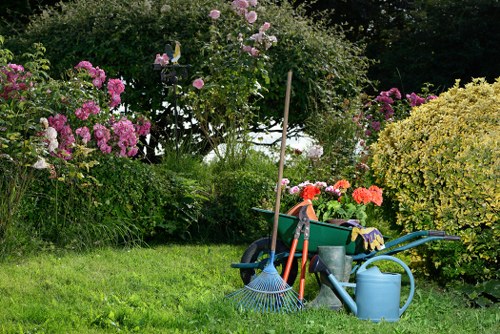
Tree pruning is one of the most important forms of ongoing tree care. It helps remove dead, damaged, diseased, or poorly placed branches, while encouraging stronger growth and a more balanced shape. For homeowners, landlords, estate managers, and commercial premises in Wandsworth, pruning can improve the look and function of trees without removing them altogether.
Many local gardens and public-facing spaces benefit from pruning because trees in urban areas often grow in competition with buildings, fences, overhead lines, pavements, and neighbouring trees. When growth becomes too dense, the canopy can block light and airflow. That can make garden areas feel smaller and darker, and can also create conditions where moisture lingers longer on leaves and branches.
Well-planned pruning is especially useful for trees near busy roads, driveways, side returns, and school or retail premises. It can help manage branches that overhang footpaths, improve clearance for vehicles and pedestrians, and reduce the chance of branches rubbing against structures. In a borough with a mixture of period homes, modern developments, and commercial sites, the service needs to be tailored, not generic.
Common reasons customers ask for tree pruning
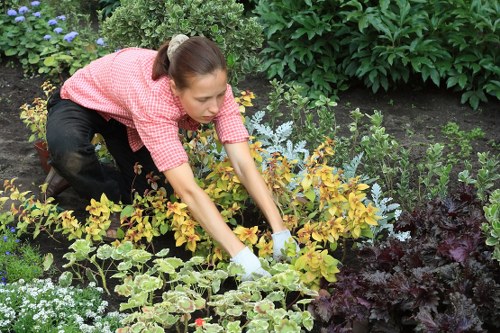
People contact a local tree surgeon or arborist for pruning for many practical reasons. Some have a tree that has grown too vigorously after a few seasons of good weather. Others want to improve light in a rear garden or reduce the amount of leaf drop into gutters. Sometimes a property owner is simply trying to maintain a pleasant appearance and prevent future problems before they become urgent.
Typical reasons for pruning include:
- Reducing overhang into a neighbour’s garden or shared boundary
- Creating better clearance above roofs, garages, sheds, and fences
- Removing dead, broken, or diseased branches
- Improving light to lawns, patios, kitchens, and loft conversions
- Reducing dense growth that makes the tree look untidy or unbalanced
- Managing branches near paths, drives, and access routes
- Supporting fruit trees so they produce healthier growth and better yields
- Maintaining trees on commercial grounds, forecourts, and communal spaces
For many customers, pruning is also about prevention. A branch that is only slightly too close to a roof today may become a much bigger issue in a year or two. Regular attention can help you avoid emergency callouts, unnecessary damage, and avoidable stress. If you are unsure what type of work your tree needs, a local visit or inspection is often the best first step.
What a professional pruning service can include
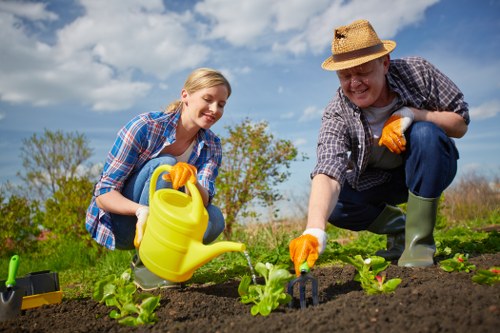
Tree pruning is not a single one-size-fits-all task. The exact method depends on the tree species, the size of the canopy, the condition of the limbs, and the outcome you want. A proper service should be planned around the tree’s health and the property’s needs, not just cutting back branches for the sake of it.
Depending on the situation, the work may include selective branch removal, crown thinning, crown lifting, crown reduction, formative pruning for younger trees, deadwood removal, or clearance pruning around structures. In some cases, a light touch is all that is needed. In others, the tree may need a more considered reduction to restore shape, balance, and safety.
A professional local team will normally assess the tree first and explain which parts need attention and why. That approach matters because poor pruning can leave a tree stressed, uneven, or vulnerable to disease. The right cut in the right place supports recovery and future growth. It also helps maintain a natural look, rather than leaving the tree looking heavily stripped or misshapen.
Tree pruning methods commonly used
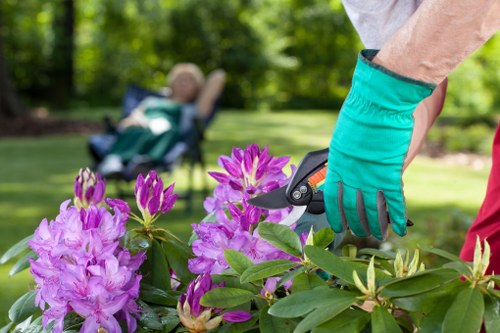
Different trees and different customer goals call for different pruning methods. Understanding the basics helps you speak confidently with your chosen arborist and decide what is most suitable for your garden or site. The following methods are among the most commonly requested in Wandsworth and nearby areas such as Putney, Battersea, Earlsfield, Balham, Clapham Junction, and Southfields.
Crown reduction
This involves reducing the overall height and spread of the canopy while keeping the tree’s natural form as much as possible. It is often used where a tree has become too large for the space, or where branches are getting too close to buildings or utility constraints.
Crown thinning
Thinning removes selected branches from throughout the canopy to improve light, reduce wind resistance, and create a lighter, more open structure. It can be especially useful for dense ornamental trees in smaller Wandsworth gardens.
Crown lifting
Crown lifting removes lower branches to raise the height of the canopy. This is often helpful where footpath access, driveways, front gardens, or visibility are affected by low growth.
Deadwood removal
Deadwood removal focuses on branches that are no longer alive. These can fall unexpectedly, so removing them is useful for safety, tidiness, and tree health.
Formative pruning
Formative pruning is usually carried out on younger trees to help them develop a strong framework. It is a sensible approach for homeowners who want to protect the future shape and stability of newly planted or recently established trees.
Choosing the right method is important because different cuts create different outcomes. A tree growing in a tight rear garden may need a different plan from one standing in a larger front drive or a commercial courtyard. The best results usually come from a balance of practical clearance, sensible shaping, and respect for the tree’s long-term wellbeing.
Why local knowledge matters in Wandsworth
Local knowledge is more than a convenience. In Wandsworth, it can have a direct impact on how smoothly the job goes. Streets can be busy, parking can be limited, and access to rear gardens can be complicated by shared hallways, side passages, or narrow gates. A team that works locally understands how to plan around these factors and complete pruning with less disruption.
Local experience also helps with the variety of property types across the borough. You may be dealing with a Victorian terrace garden, a converted flat with communal outdoor space, a modern townhouse, a commercial forecourt, or a managed estate. Each setting requires a slightly different approach to protecting surfaces, moving equipment, controlling waste, and keeping the site safe while work is underway.
There is also the matter of tree species. Many gardens in the area contain mature trees that have been shaped over several years, along with smaller ornamental trees, hedging standards, and fruit trees. A local tree specialist is more likely to recognise how certain species respond to pruning and when it is better to take a lighter approach. That knowledge helps you get results that last longer and look more natural.
What customers usually want from tree pruning in Wandsworth
Most people do not simply want branches cut back. They want a result that improves the property without creating a new problem later on. That may mean more afternoon light in the garden, safer clearance for a driveway, better balance for a leaning canopy, or a tidier appearance for the front of the house.
For residential customers, common priorities include making gardens more usable for children, reducing the amount of debris falling into seating areas, and preventing branches from scraping windows or gutters. For landlords and managing agents, the priorities may be different: keeping tenants safe, maintaining boundary lines, preserving access, and making sure communal areas remain attractive and manageable.
For commercial customers in and around Wandsworth Town, Earlsfield, and Battersea, pruning can support a cleaner, more professional exterior. Trees near shops, cafés, office entrances, and hospitality spaces may need regular shaping so they do not obscure signage, reduce light, or interfere with customers’ movement. In these settings, timing and access planning are often just as important as the pruning itself.
The best pruning jobs are the ones that solve the issue while keeping the tree healthy and visually pleasing. That balance is especially important in a place like Wandsworth, where mature greenery is part of what makes streets and gardens feel attractive and lived in.
How the service usually works
When you arrange tree pruning, the process should be straightforward from the outset. Most customers want clarity about what will happen, how long the work might take, and what needs to be done before the team arrives. A good local service will usually begin with an assessment of the tree, the access available, and the outcome you want.
An initial discussion can cover the size and condition of the tree, any obvious issues such as dead branches or contact with structures, and whether you need a light tidy-up or a more substantial crown adjustment. If there are several trees involved, they can be assessed together so the work is planned in a sensible order.
On the day of the work, the team will normally set up safely, check the surrounding area, and carry out the agreed pruning using the appropriate tools and methods. Branches are cut in a controlled way, and the site should be left tidy once the work is complete. If waste removal is included, the cut material can be cleared away so you are not left dealing with a pile of branches afterwards.
Typical steps in the service
- Discuss the tree and the reason for pruning
- Assess access, parking, and site conditions
- Identify the most suitable pruning method
- Carry out the work safely and carefully
- Clear up cuttings and leave the area tidy
- Provide aftercare advice if needed
When everything is handled properly, the experience should feel organised and reassuring, not complicated. That matters if you are booking for a home, a rental property, or a business where disruption needs to be kept to a minimum.
What to prepare before your pruning appointment
Getting ready for tree pruning in Wandsworth does not usually require much, but a few simple steps can make the job easier and more efficient. If access is tight, clearing the route to the tree can save time. If there are delicate items nearby, moving them out of the work area can help protect them from falling debris.
Preparation checklist:
- Move vehicles if the tree or equipment needs driveway access
- Unlock side gates or other agreed access points
- Keep pets and children away from the work area
- Remove garden furniture, ornaments, or fragile pots if possible
- Let neighbours know if work may affect a shared boundary
- Point out any areas of concern, such as roof contact or dead limbs
If you have limited outdoor space, do not worry if you cannot move everything yourself. A local team can often work around normal garden features and protect the surrounding area. The key is communication beforehand so the pruning plan matches the realities of the site.
Good preparation helps the work run smoothly, but a professional pruning team should also be able to adapt to the property layout and access conditions. In Wandsworth, that flexibility is often essential.
Pricing factors for tree pruning
Customers often want to know what affects the cost of tree pruning, and while exact figures vary, there are several common factors that influence the amount of work involved. The size of the tree is one of the biggest considerations. A tall mature tree with a wide canopy naturally takes more time and equipment than a small ornamental tree in a front garden.
Access also plays a major role. A tree with easy rear access and plenty of space around it may be simpler to prune than one enclosed by fences, extensions, sheds, and neighbouring properties. In some parts of Wandsworth, parking restrictions and restricted access can affect planning, so the work may need to be scheduled more carefully.
Other factors include the type of pruning required, the condition of the tree, how much waste is produced, whether stump-related work is needed separately, and whether the site requires extra care because of paving, glass, planters, or nearby structures. Trees close to roads, schools, or busy communal areas may also need more coordination.
When requesting a quote, it helps to describe the tree, its location, and the result you want. If possible, share whether the work is for a home, a rental property, a garden shared with neighbours, or a business premises. That information allows the team to give a more accurate and relevant estimate.
Why choose a local company for tree pruning in Wandsworth
Choosing a local company brings practical advantages that matter on the day of the job and after it. A team working regularly in the borough is more likely to understand the access patterns, road layouts, and housing styles that affect how pruning is carried out. That can lead to better planning and less interruption for you and your neighbours.
A local service can also be easier to coordinate if your tree needs attention at a specific time of year, if the work forms part of a wider property maintenance plan, or if you have more than one site to manage. For landlords, estate managers, and businesses, having one trusted local team can make ongoing tree care far easier to organise.
Local tree care teams are also well placed to advise on sensible next steps. Sometimes a tree does not need major work; a lighter pruning visit may be enough. Sometimes it needs ongoing attention rather than a one-off cut. In either case, working with someone who understands Wandsworth’s property mix and practical constraints makes the service more useful.
Benefits of hiring locally
- Better understanding of local access and parking conditions
- More suitable planning for residential and commercial sites
- Familiarity with common garden layouts and tree species
- Easier coordination for repeat maintenance or multi-property work
- Practical advice tailored to the area, not a generic approach
If you want a service that feels organised, responsive, and grounded in real local experience, a Wandsworth-based team is often the most practical choice. Request a free quote if you are ready to explore the best option for your tree.
Areas covered around Wandsworth
Tree pruning requests often come from across the wider local area, not just one neighbourhood. In and around Wandsworth, work is commonly needed in places such as Putney, Battersea, Clapham Junction, Earlsfield, Southfields, Balham, and nearby residential streets where mature trees and tight property boundaries are common.
The service is relevant for:
- Private gardens and front drives
- Communal residential grounds
- Rental properties and managed homes
- Shops, cafés, offices, and hospitality venues
- Schools, places of worship, and community sites
- Small developments and landscaped shared spaces
Different areas come with different challenges. Some streets have generous front access but limited rear access. Others have trees that overhang pavements or sit close to shared fences. A flexible local service can adapt to those differences and provide the same careful standard of work wherever the tree is located.
Frequently asked questions
How often should trees be pruned?
It depends on the species, age, and location of the tree. Some trees only need occasional maintenance, while others benefit from regular attention every few years. Trees near buildings, footpaths, or boundaries may need more frequent checks to keep growth manageable.
Is pruning bad for trees?
Not when it is done correctly. In fact, sensible pruning can support health, shape, and safety. Problems usually arise when trees are overcut, cut at the wrong time, or pruned without understanding the species. That is why a careful approach matters.
Can pruning reduce the height of a tree safely?
Yes, in many cases a crown reduction can reduce height and spread while keeping the tree balanced. The exact amount removed should depend on the tree type and condition. The aim is usually to reduce size without causing unnecessary stress.
Will pruning improve light in my garden?
Often, yes. Thinning, lifting, or reducing the canopy can allow more daylight through, especially in rear gardens and narrow plots where trees cast a lot of shade. The effect depends on the tree’s position and the amount of canopy removed.
Do I need permission to prune a tree?
Some trees may be protected by a Tree Preservation Order or be within a conservation area. If that applies, extra checks may be needed before work starts. A professional local team should help you consider this as part of the planning process.
What if my tree is close to a neighbour’s property?
Boundary trees need careful handling and clear communication. Pruning can often help reduce overhang or nuisance growth, but the work should be carried out sensibly and with attention to property boundaries and access arrangements.
Can you prune fruit trees?
Yes. Fruit trees often benefit from proper pruning because it can encourage healthier growth, better airflow, and a more productive shape. The timing and method depend on the species, so a tailored approach is best.
Book tree pruning with a local Wandsworth team
If your tree is becoming difficult to manage, casting too much shade, or starting to interfere with your property, now is the right time to act. Tree pruning in Wandsworth is not just a cosmetic service; it is a practical way to protect your home, improve your outdoor space, and support the long-term health of your trees.
Whether you need a single tree shaped, several boundary branches cleared, or regular maintenance for a larger property, a local service can provide the right balance of care and practicality. You can expect a focused approach, clear communication, and work that is planned around the realities of your site.
Contact us today to discuss your tree pruning needs, ask for advice, or book your service now. If you are ready to improve light, restore balance, and keep your trees well managed, a local quotation is the best place to begin.
From compact garden trees to mature boundary canopies, the right pruning makes a noticeable difference to how your property looks and functions.